
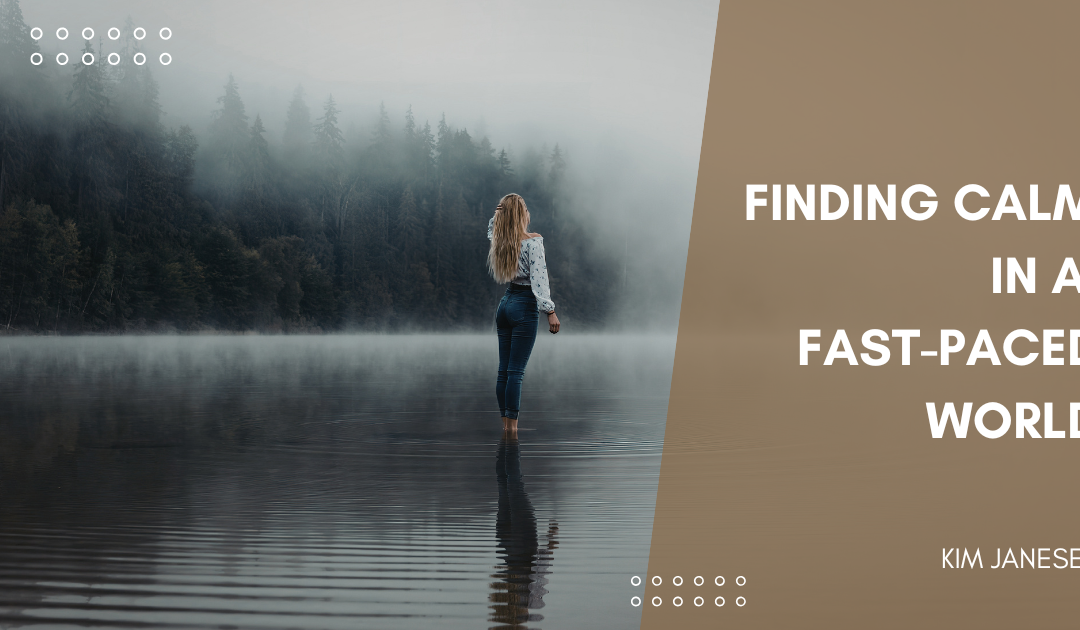
In today’s always-connected world, life often feels like a constant race. Between work responsibilities, family commitments, social obligations, and the endless stream of notifications from our devices, it can be difficult to find a moment of peace. Many people find themselves overwhelmed, stressed, and struggling to maintain a sense of balance. While modern life may not slow down anytime soon, it is possible to cultivate calm and create space for well-being amid the chaos.
Understanding the Impact of a Busy Lifestyle
A fast-paced lifestyle can take a significant toll on both physical and mental health. When we are constantly rushing from one task to another, our bodies remain in a heightened state of stress. Over time, this can lead to fatigue, anxiety, difficulty concentrating, and even physical health issues such as headaches, sleep disturbances, and weakened immunity.
Technology has made it easier than ever to stay connected, but it has also blurred the boundaries between work and personal life. Many people feel pressured to respond to messages immediately, stay updated on social media, and remain productive at all times. This constant stimulation can leave little room for relaxation or reflection.
Recognizing the effects of a busy lifestyle is the first step toward making positive changes. By becoming aware of how stress impacts our daily lives, we can begin to identify habits and routines that may be contributing to feelings of overwhelm.
Simple Practices for Creating Everyday Calm
Finding calm does not necessarily require major lifestyle changes. Often, small and consistent habits can make a significant difference in how we feel. One effective strategy is to incorporate moments of mindfulness throughout the day. Taking a few minutes to focus on your breathing, observe your surroundings, or simply pause between tasks can help reduce stress and improve mental clarity.
Creating a daily routine can also provide a sense of stability. Setting aside time for activities such as exercise, reading, journaling, or spending time outdoors can help establish healthy patterns and reduce feelings of chaos. Physical activity, in particular, is known to relieve stress and improve mood by releasing endorphins that support emotional well-being.
Another helpful practice is learning to set boundaries. This may involve limiting screen time, turning off unnecessary notifications, or establishing specific hours for work and personal activities. Protecting your time and energy allows you to focus on what truly matters rather than becoming overwhelmed by constant demands.
Quality sleep is equally important for maintaining a sense of calm. A consistent sleep schedule, reduced screen exposure before bedtime, and a relaxing evening routine can improve sleep quality and help the body recover from daily stress.
Building a Long-Term Sense of Balance
While quick stress-relief techniques are valuable, lasting calm often comes from developing a balanced approach to life. This involves regularly evaluating priorities and making choices that align with personal values and well-being.
One important aspect of balance is learning to say no when necessary. Many people overcommit themselves because they feel obligated to meet every request or opportunity. However, taking on too much can lead to burnout and reduce the quality of both work and personal relationships. Choosing commitments carefully helps create space for rest and meaningful experiences.
Nurturing strong relationships can also contribute to emotional balance. Spending time with supportive friends and family members provides opportunities for connection, encouragement, and perspective. Meaningful conversations and shared experiences often help reduce stress and remind us that we do not have to navigate challenges alone.
Practicing gratitude is another powerful way to cultivate calm. Taking a few moments each day to reflect on positive experiences, achievements, or simple joys can shift attention away from stress and foster a more optimistic outlook. Gratitude encourages mindfulness and helps individuals appreciate the present moment rather than constantly worrying about future responsibilities.
Finally, it is important to accept that life will never be completely free of stress. Challenges, deadlines, and unexpected situations are part of everyday living. Instead of striving for a perfect state of calm, focus on building resilience and developing healthy coping strategies. Calm is not the absence of activity; it is the ability to remain centered and composed despite life’s demands.
Conclusion
Finding calm in a fast-paced world is not about escaping responsibilities or avoiding challenges. It is about creating intentional moments of peace, establishing healthy habits, and maintaining balance in daily life. By understanding the impact of stress, practicing simple techniques to promote relaxation, and prioritizing long-term well-being, anyone can cultivate a greater sense of calm. In a world that constantly encourages us to do more and move faster, choosing to slow down and care for ourselves may be one of the most valuable decisions we can make.