
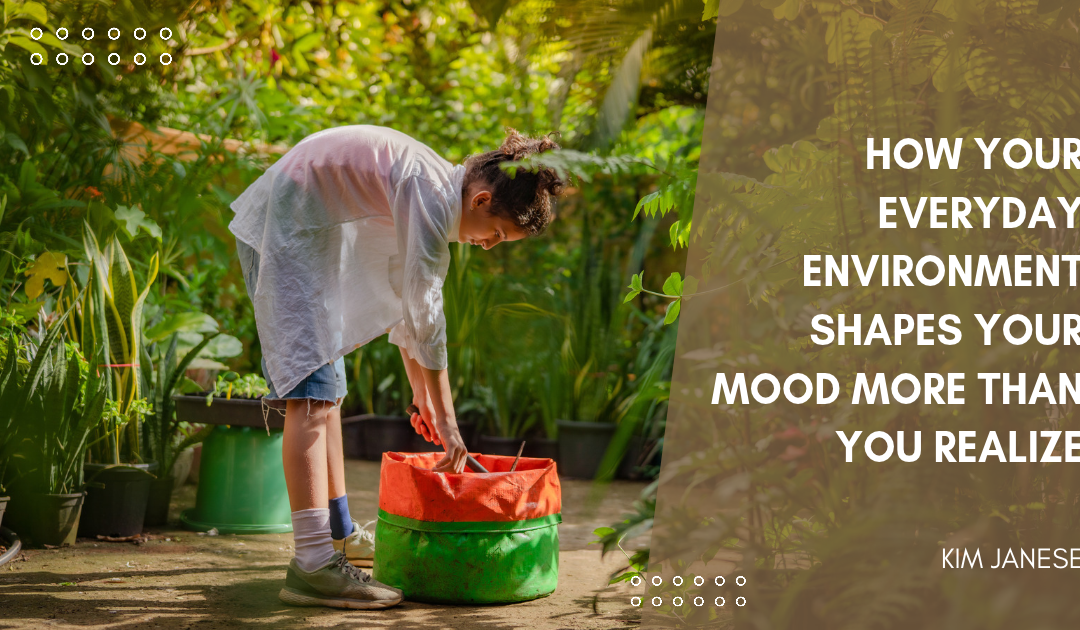
Have you ever noticed how walking into a clean, sunlit room makes you feel relaxed, while entering a cluttered or noisy space leaves you feeling irritated? These small experiences reveal something important: our surroundings influence our emotions more than we often realize. From the colors on our walls to the sounds outside our windows, our everyday environment plays a significant role in shaping our mood, energy, focus, and overall well-being.
Although we may not always notice these effects, the spaces we live, work, and spend time in can quietly influence how we feel throughout the day.
1. The Impact of Clutter on Your Mind
Your physical surroundings can affect how clearly you think and how calmly you feel. A cluttered desk, an untidy bedroom, or a crowded living space can create a sense of visual overload. When there are too many things competing for your attention, it may become harder to concentrate and feel mentally relaxed.
On the other hand, an organized environment can make daily activities feel more manageable. You do not need a perfectly spotless home to experience these benefits. Even small steps, such as clearing your desk, organizing your belongings, or making your bed, can help create a greater sense of control and comfort.
Sometimes, creating a little space around you is the first step toward creating a little more peace within you.
2. Natural Light and Fresh Air Matter
Light has a powerful influence on our daily rhythms, alertness, and mood. Exposure to natural daylight helps regulate the body’s internal clock, which influences sleep and wakefulness. Spending time near a window or stepping outside during the day can help you feel more awake and connected to the world around you.
Fresh air and outdoor spaces can also offer a welcome break from indoor routines. A short walk in a park, sitting on a balcony, or simply opening a window when outdoor conditions allow can make your surroundings feel more refreshing.
While natural light and fresh air cannot solve every emotional challenge, they can support a healthier daily routine and contribute to a more comfortable living environment.
3. Colors, Sounds, and Sensory Experiences
Our senses constantly interact with the spaces around us. Bright colors, soft lighting, background music, and everyday sounds can all influence how an environment feels.
For example, harsh lighting and constant background noise may make it difficult to relax or concentrate. Softer lighting and quieter surroundings may feel more comfortable, especially after a demanding day. Similarly, music can help some people feel energized, while others prefer silence when they need to focus.
Color can also influence the atmosphere of a room, although its effects vary from person to person and depend on context. Rather than following strict rules about which colors are best, choose shades, textures, and sounds that make you feel comfortable and supported.
4. The People Around You Shape Your Emotional Climate
Your environment is not limited to physical spaces. It also includes the people you interact with every day.
Spending time with supportive, respectful people can help you feel understood, confident, and emotionally secure. In contrast, frequent criticism, tension, or unhealthy relationships may leave you feeling stressed or emotionally drained.
This does not mean you can avoid every difficult interaction. However, setting healthy boundaries, making time for meaningful conversations, and surrounding yourself with people who respect your well-being can make a positive difference.
A peaceful environment is not simply a beautiful room; it is also a space where you feel safe to be yourself.
5. Small Environmental Changes Can Make a Big Difference
Improving your everyday environment does not require an expensive makeover or a complete lifestyle change. Often, the smallest adjustments are the easiest to maintain and the most meaningful over time.
Here are a few simple ways to create a more supportive environment:
- Declutter one small area: Start with your bedside table, desk, or kitchen counter.
- Let in natural light: Open your curtains during the day whenever possible.
- Add a touch of nature: Keep a plant, display fresh flowers, or spend time outdoors.
- Create a calming corner: Choose a comfortable place for reading, meditation, or quiet reflection.
- Reduce unnecessary noise: Turn off distracting notifications and take breaks from constant background sound.
- Build positive routines: Keep your surroundings comfortable and prepare your space for restful sleep.
The goal is not to create a perfect environment. It is to create one that supports your needs and makes everyday life feel a little easier.
Conclusion
Your everyday environment is more than just the background of your life. It is an active part of your daily experience, influencing your attention, emotions, habits, and sense of well-being in subtle ways.
You may not be able to control every aspect of your surroundings, but you can often make small, intentional changes to improve how your spaces feel. A cleaner desk, a little sunlight, a quiet moment, or a supportive conversation may seem insignificant on its own, yet these experiences can gradually shape a more positive daily routine.
Remember, you do not always have to change your entire life to feel better. Sometimes, changing the space around you is a meaningful place to start.